Choosing the right financial tool is crucial for your budget. Applying for a premium-cashback-credit-card opens doors to big financial gains. These cards are for those who want to earn higher reward rates on daily spending.
To succeed, match your spending habits with each card’s features. Researching in the United States helps find the best long-term value for you. Comparing benefits ensures your premium-cashback-credit-card meets your financial goals.
Knowing the application process is key. With the right prep, you can get the best higher reward rates. First, check your credit score to meet the top-tier product requirements.
Key Takeaways
- Assess your monthly spending habits to choose the best rewards structure.
- Check your credit score before applying to increase your approval odds.
- Compare annual fees against the potential earnings to ensure net value.
- Look for sign-up bonuses that provide an immediate boost to your returns.
- Read the terms and conditions to understand redemption limitations.
Assessing Your Financial Readiness for Premium Cards
Getting a high-end credit card is not just about wanting luxury perks. It needs a strong financial health foundation. Before applying, check if your financial profile meets the issuers’ high standards. This step prevents rejections and keeps your credit safe from harm.
Evaluating Your Current Credit Score
Your credit score shows if you’re reliable to lenders. Premium cards usually need a score of 700 or higher. Check your reports from Experian, Equifax, or TransUnion for errors that could lower your score.
If your score is low, it’s wise to wait. Improving your standing by paying on time and reducing debt is better. A high credit score opens doors to exclusive benefits and lower rates.
Analyzing Your Monthly Spending Habits
Look at your monthly spending habits too. Premium cards have high fees, so check if your spending matches the card’s rewards. For example, a travel card might not be right if you don’t travel much.
Review your expenses from the past six months. Identify patterns in your monthly spending habits. Match these to the rewards of a card to keep your financial health strong and earn more.
Researching the Best premium-cashback-credit-card Options
Choosing a premium-cashback-credit-card is a smart move that needs careful thought. Look beyond the marketing to see if the card fits your financial needs. This way, you make sure your choice is worth it in the long run, not just for a quick gain.
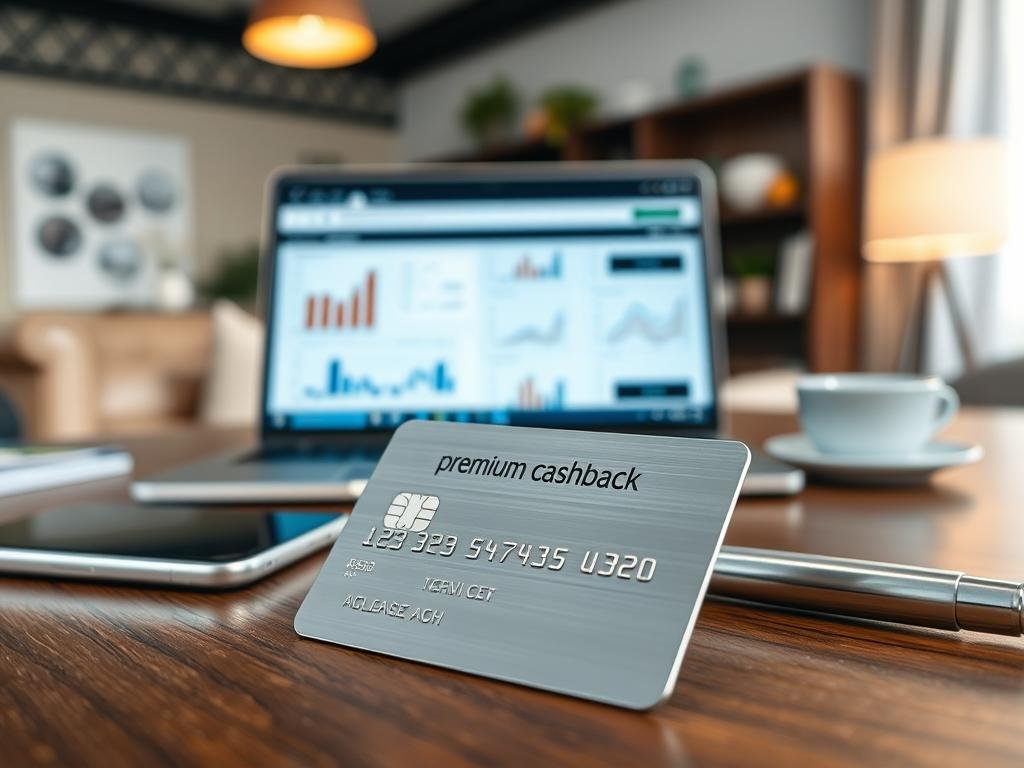
Comparing Annual Fees Versus Reward Potential
When looking at a card, it’s key to understand the annual fees and reward potential. A high fee might seem scary, but it can give you access to better earning rates or special benefits. Think about how much you spend each year to see if the rewards are worth the fee.
Always think about the card’s net value after considering the costs. If a card has big sign-up bonuses, it might pay for itself in the first year. Look for a card where the benefits always outweigh the costs.
Identifying Bonus Categories That Match Your Lifestyle
The best way to earn more is to match your card with your spending habits. Different cards reward different spending, so pick one that matches where you spend most. Consistency is key to quickly build up your balance.
Travel and Dining Perks
If you travel a lot or love dining out, look for cards with great travel perks and dining rewards. These cards often give you more points on flights, hotels, and meals. Using these perks can save you money or earn you travel credits.
Everyday Grocery and Gas Rewards
For many, most expenses are for everyday items. Choose a card with high grocery rewards and gas rewards to save a lot each year. By focusing on these categories, your reward potential stays high all year, no matter your travel plans.
Also, many issuers offer big sign-up bonuses for new accounts. Always check the requirements to make sure they fit your spending habits. Combining these bonuses with your usual bonus categories is the best way to maximize your card’s benefits.
Preparing Your Documentation and Credit Profile
Starting with the right documents and a solid financial standing is key. When you aim for cards with annual fees, lenders want to see your financial history clearly. Taking these steps early keeps your credit profile appealing to top issuers.
Gathering Necessary Personal Information
Before starting the application, gather all needed ID documents. Having these ready prevents mistakes and makes the process smoother. You’ll need:
- A valid government-issued photo ID, such as a driver’s license or passport.
- Your Social Security Number or Individual Taxpayer Identification Number.
- Proof of your current residential address, like a utility bill or lease agreement.
- Details about your bank accounts and current debts.
Verifying Your Annual Income and Employment Status
Lenders check if you can handle the credit limit. You must accurately report your annual income. This includes your salary, bonuses, and investment dividends.
Be prepared to show proof of employment if asked. This might include pay stubs, W-2 forms, or last year’s tax returns. Clear, verifiable data shows lenders you’re financially stable.
Strategies to Boost Your Credit Score Before Applying
Your credit score greatly affects your approval chances. If it’s lower than you’d like, take a few weeks to improve it before applying. Small efforts can lead to big score improvements.
Here are some ways to boost your score:
- Pay down credit card balances to lower your credit utilization ratio.
- Check your credit reports for errors and dispute any inaccuracies immediately.
- Avoid opening new accounts or applying for other loans before applying.
- Make sure all your bills are paid on time to keep a good payment history.
By managing your credit score well, you show lenders you’re financially responsible. This effort can boost your approval chances and lead to better interest rates and higher credit limits.
Navigating the Online Application Process
Applying for a premium credit card online needs care and detail. The process is easy, but mistakes can slow you down. Take your time to fill out your information correctly.
Step-by-Step Submission Guide
Most big banks have a similar online process. You start by picking the card you want and clicking “Apply Now” on their website.
- Enter your personal details like name, address, and Social Security number.
- Tell them about your job and where you live.
- Check the terms and conditions, especially the interest rates and fees.
- Submit your application and wait for a quick decision.
Providing Accurate Financial Disclosures
Financial institutions need to know your financial health to decide if they can lend to you. Be truthful about your annual income. It affects how much credit you can get and if you’ll be approved.
“Integrity in your financial reporting is the foundation of a healthy relationship with your lender.”
Don’t exaggerate your annual income to look better. Banks check these figures with tax documents or employer databases. If they don’t match, you might not get approved.
Selecting Your Preferred Payment Network
Premium cards let you choose between Visa or Mastercard. This choice affects where your card is accepted and the benefits you get.
- Visa Signature/Infinite: Offers great travel insurance and concierge services.
- Mastercard World Elite: Provides unique lifestyle benefits and discounts.
- Network Acceptance: Pick a network that’s accepted where you travel most.
Think about which network fits your lifestyle before you apply. After choosing, you can submit your application and wait for the outcome.
Understanding Approval Odds and Credit Inquiries
Knowing how credit checks work is key to keeping your financial health strong. When you apply, lenders look closely at your credit profile to see if you qualify. This is something all big financial places in the U.S. do.
The Impact of Hard Inquiries on Your Credit
A hard inquiry happens when a lender checks your report to decide if they’ll lend to you. These checks can slightly lower your credit score for a short time. But, applying for many cards at once can look risky to banks.
It’s smart to wait a bit between applying for new cards. Hard inquiries stay on your report for two years. But, their effect on your score usually goes away after a few months. It’s better to focus on getting a few good cards than many.
What to Do If Your Application Is Pending
At times, a bank can’t make a quick decision on your application. If it’s pending, don’t worry. It’s just part of the review process. They might need to check your ID or confirm your income.
You can usually check your status online. If the bank needs more info, they’ll reach out by email or mail. Patience is key while they finish checking your application.
Handling Denials and Reconsideration Requests
Getting a denial doesn’t mean you’re out of luck. If you’re turned down, you can ask the bank to reconsider their decision. Call the reconsideration line to talk to someone who can look at your file again.
Be ready to explain why you’re a good fit for the card. You could talk about your history of paying on time or how little credit card debt you have. Being professional and polite can really help your chances.
Maximizing Your New Card Benefits
Getting a premium card is just the start. To get the most value, you need to use it wisely. Knowing how to use your redemption options is key. This way, you can make the most of your spending.

Meeting Minimum Spending Requirements for Sign-up Bonuses
Premium cards often have great sign-up bonuses. But, you need to spend a certain amount in the first few months. Keep track of these deadlines to not miss out on these big rewards. Plan your big purchases during these times to meet your goals without spending too much.
“The secret to maximizing credit card rewards is treating your card like a debit card, ensuring you always have the funds to cover your balance.”
Setting Up Automatic Payments and Alerts
Keeping your credit in good shape is crucial with high-limit cards. Set up automatic payments to avoid late fees and credit card debt. Also, get mobile alerts for big transactions to keep your account safe.
Here are some tips to keep your account healthy:
- Check your monthly statements for any unauthorized charges.
- Set alerts when your balance gets close to your limit.
- Regularly check your account to see how you’re doing on bonus categories.
Leveraging Additional Perks Like Purchase Protection
Many cards offer purchase protection for theft or damage. Also, look into travel perks like lounge access or insurance. These can save you a lot of money each year. Make sure you know the details of:
- Dining rewards for eating out or takeout.
- Grocery rewards for your shopping.
- Gas rewards to help with your commute.
By being organized and mindful with your spending, you can turn everyday activities into valuable rewards. Always check your card agreement to use all benefits fully.
Conclusion
Getting a top cashback credit card is a big step in managing your money. It shows you’re serious about saving money on everyday things. You want to get the most value from every purchase.
You know how to pick the best card for your spending. Cards from American Express or Chase can offer great rewards. But, you must also pay back on time to get the most benefits.
Think of your new card as a tool to help you reach your financial goals. Paying bills on time keeps your credit score high. This also lets you keep enjoying special perks and rewards.
Now, check your budget and set up alerts for your bank. Being proactive helps you get the most from your rewards. Start making smarter choices with these simple steps.